

MLBB Obsidia's ultimate tethers you too: check before casting
Obsidia's ultimate pulls her toward a target and limits distance. Understand tether movement, her enhanced second skill and temporary Bone Shards using official cards.
Published · Updated
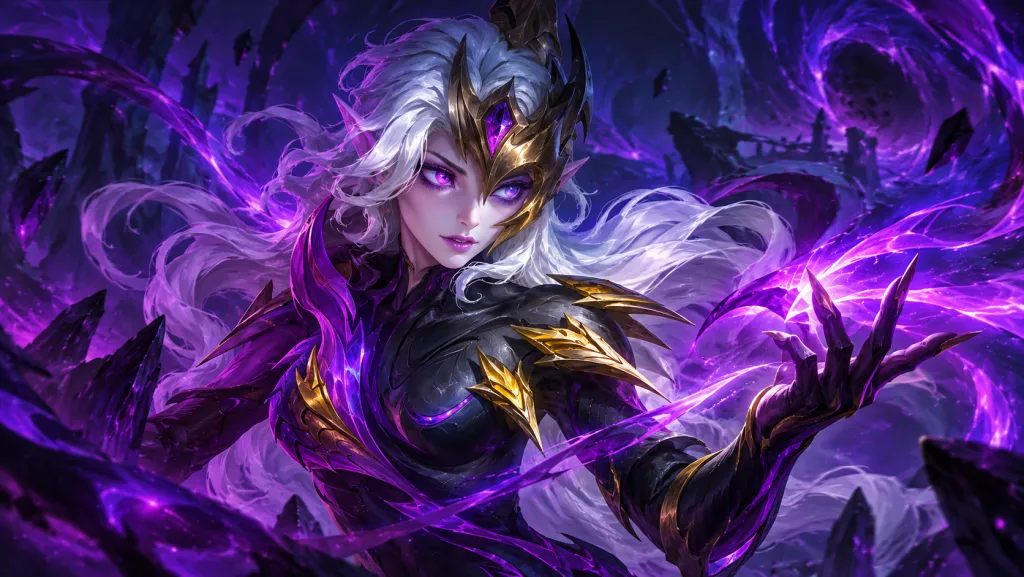
Landed Obsidia's ultimate and ended up closer to danger than intended? The official Obsidia skill guide contains an important condition: her ultimate tethers Obsidia herself to the enemy. Here is where a hit pulls her, why the target can still move and what changes for her second skill during the tether.
A hit restricts both heroes in different ways
An ultimate is a hero's special highest-tier skill. Obsidia fires hers in a chosen direction, hitting the first enemy hero in its path. That hero is briefly stunned, and Obsidia is pulled toward them. Before casting, assess not only the intended target but also any hero who could intercept the shot.
A tether connects Obsidia and the target after the hit. According to the card, Obsidia cannot move more than 4 units away. The tethered enemy cannot use mobility skills, but their normal movement drags Obsidia along. The effect lasts 3 seconds. The initial brief stun does not immobilise the enemy for that whole period.
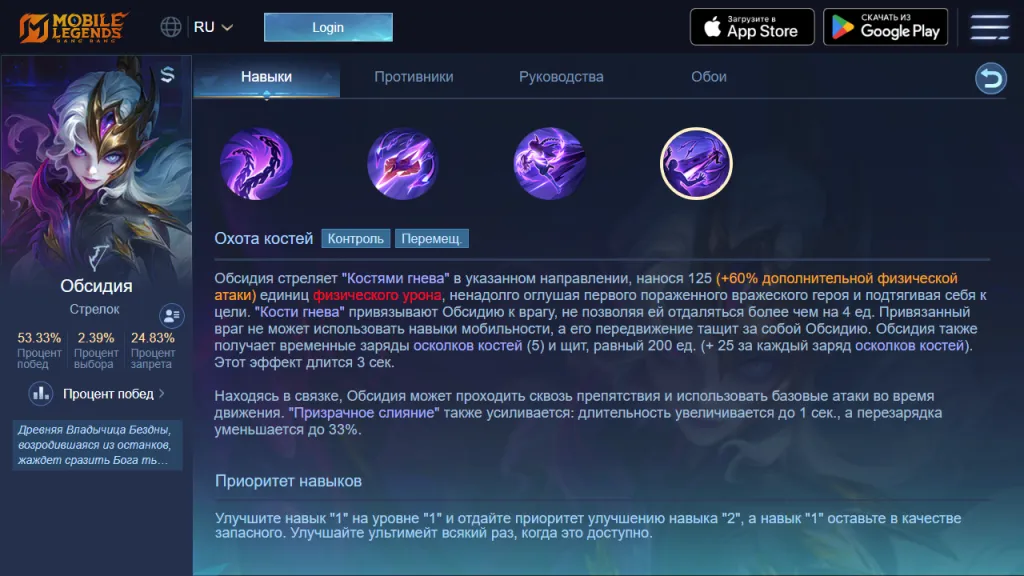
The full original ultimate card places these conditions together. Imagine a target beside a narrow passage: even an accurate hit pulls you closer, and their subsequent movement affects your position. Assess the surroundings of that meeting point before deciding whether to cast now.
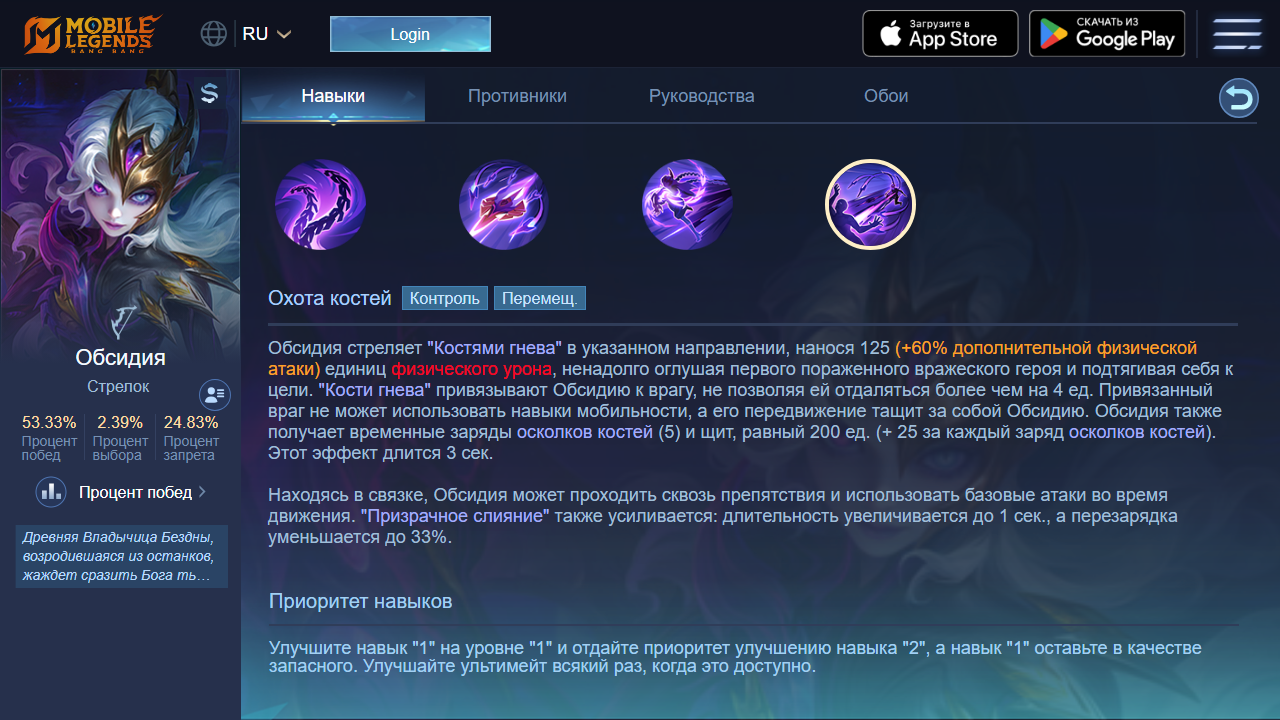
The second skill improves while the tether is active
Obsidia's second skill normally puts her into a shadow-meld form and grants 500% movement speed for 0.3 seconds. It is a brief acceleration; casually calling it a dash can obscure that the card specifies movement speed and duration.
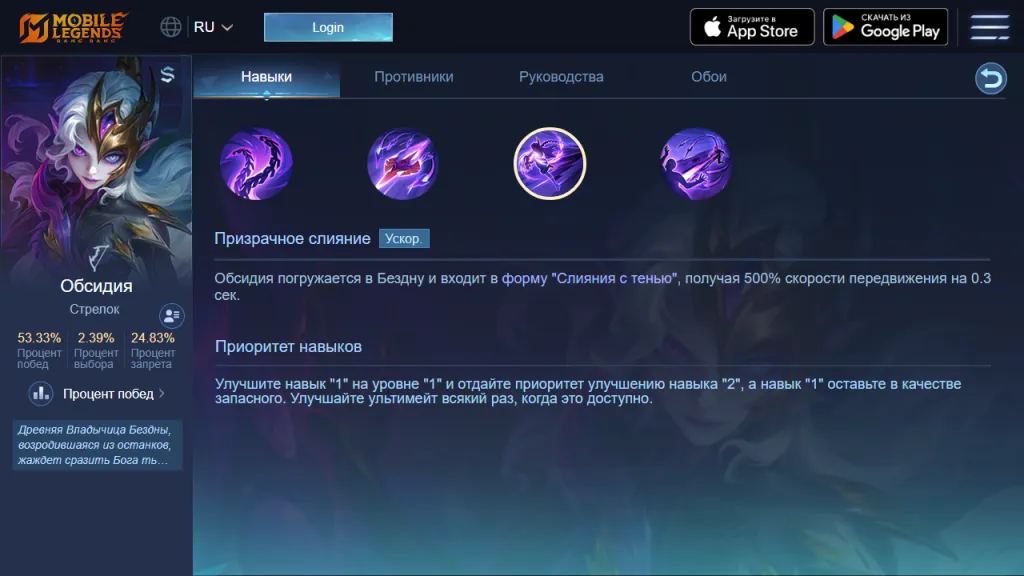
During the tether, the ultimate changes her second skill: duration becomes 1 second and cooldown is reduced to 33%. “To” matters: 33% is the remaining share of the cooldown, not a reduction by one third. Compare the normal second-skill description with the last paragraph of the ultimate card above.
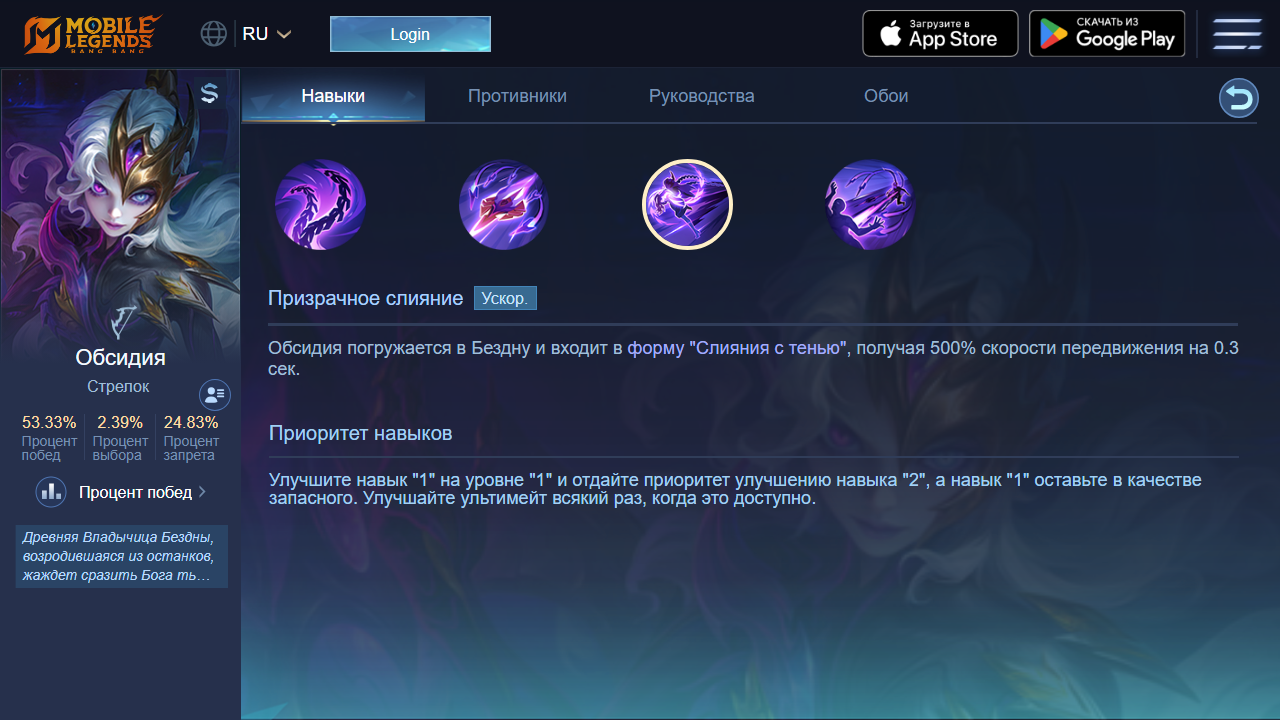
During the tether, Obsidia can also pass through obstacles and use basic attacks — normal attacks — while moving. Plan movement alongside attacks rather than treating a hit as an instruction to stand still. The second-skill enhancement does not promise she can freely break the distance restriction.
Five temporary Bone Shards are a separate effect
The ultimate grants 5 temporary Bone Shards and a shield. That is part of its effect, separate from accumulating her passive's resources. Bone Energy is the counter used to form shards; Bone Shards add damage to basic attacks.
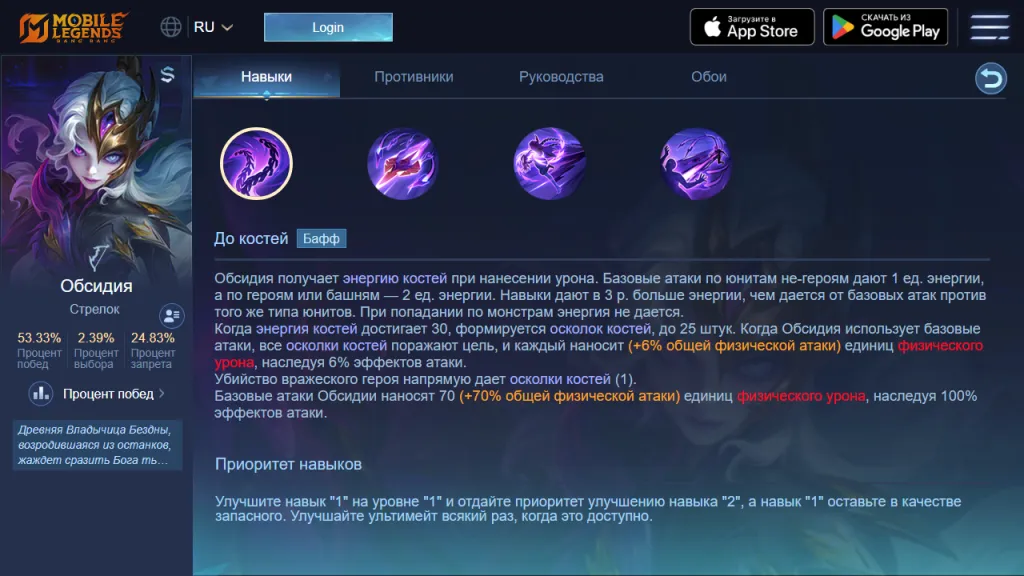
The original passive card says 30 energy creates a shard, with a maximum of 25 shards; hitting monsters grants no energy. “Attack everything to stack up” is therefore too vague. Distinguish the energy counter from the shard count and check which target you are damaging.
Four checks before casting
Check who stands first in the ultimate's path. Assess where it will pull you: visible enemies and nearby allies matter more than a convenient aiming line. Check that your second skill is ready. After a hit, track the tethered target's normal movement and reposition within the tether, continuing basic attacks when appropriate.
In practice mode, separate the hit and pull, target movement, and the second skill outside and inside the tether. Compare your client's descriptions with the originals here. This is a control-checking sequence, not a promise to win every exchange or a maximum-damage combo. To observe similar situations in professional play, the MPL Indonesia 18 October results guide provides series results, standings and the day's official replay. It does not establish that Obsidia appeared in any specific series.
Before copying a move from a recent video, compare its server and version. The Natalia server-checking guide explains why a test rework and the published skill guide can describe different conditions. Apply the same method here: compare the precise skill rule before bringing someone else's move into your match.
The official Russian-language guide was reviewed on 17 October 2026. The three images show published website descriptions; we did not test the client. That review date is not the hero's update date. This guide does not establish a best build, meta position or every interaction with cleansing and special abilities; those need separate evidence for the relevant version.