
The Castle that wants to be attacked: rally traps in Lords Mobile
Why players deliberately invite attacks, why millions of troops do not guarantee success, and how a trap can lose even after surviving a hit.
Published
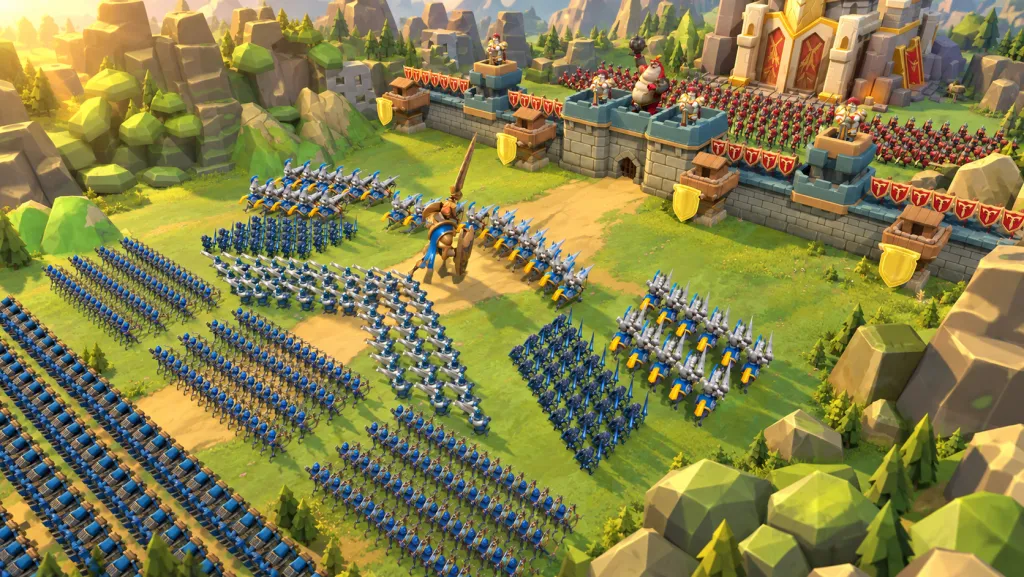
A trap Castle in Lords Mobile deliberately invites attacks: its owner hopes the opponent will underestimate its defence. A rally trap is prepared to receive a combined attack from an enemy guild. Two things must work together: surviving the battle and looking like a target worth attacking. Our Darknest troop-counter example explains one foundation for reading an army's composition.
A trap starts before the battle
A trap needs strong defence that the opponent undervalues. Making its preparation too obvious can deter precisely the attackers its owner wanted to attract.
Community discussions distinguish a solo trap, designed for individual attacks, from a rally trap, designed for a combined army. These are account roles chosen by players. The word trap alone tells you nothing about which opponent a particular Castle can withstand.
Attackers assess risk too. A suspiciously convenient target may not be worth their troops and time, even if its total Might looks lower.
Why one Might figure is insufficient
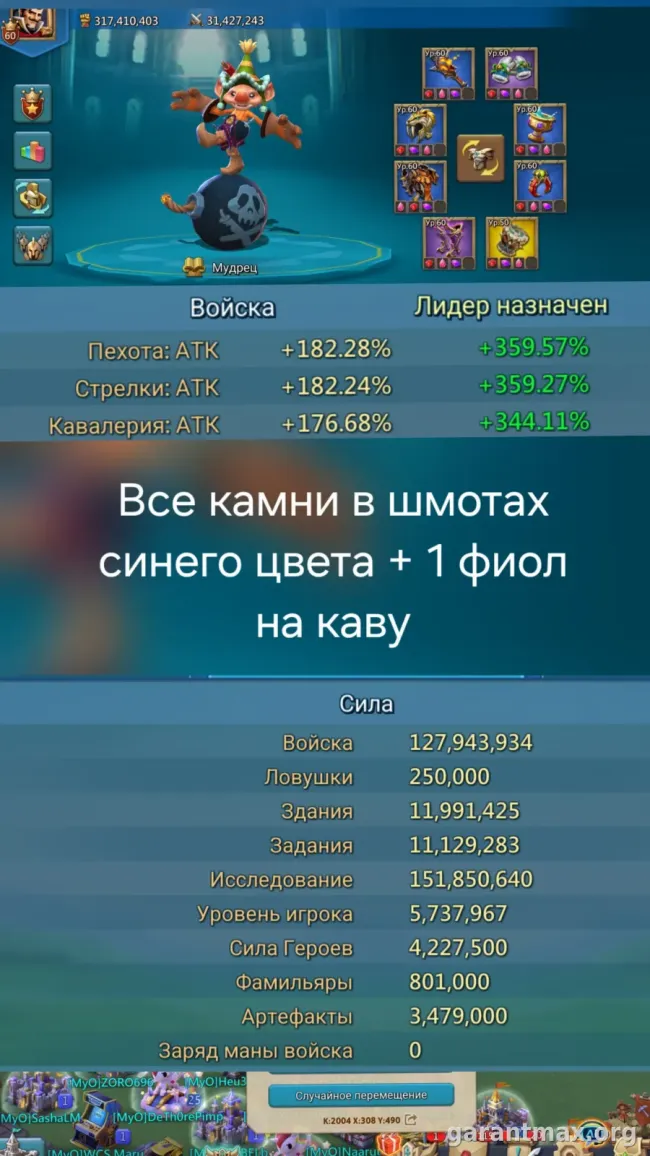
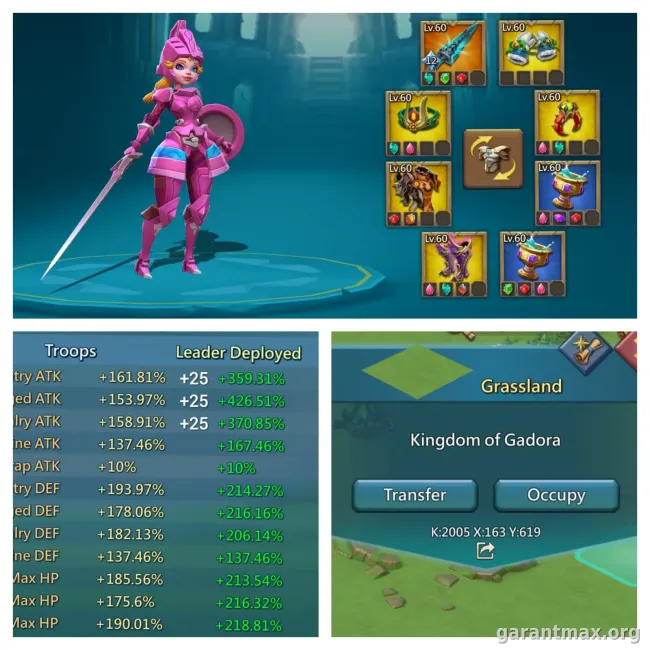
Total Might creates a first impression without revealing troop composition, formation, equipment or active boosts. Similar map numbers do not mean matching battle conditions.
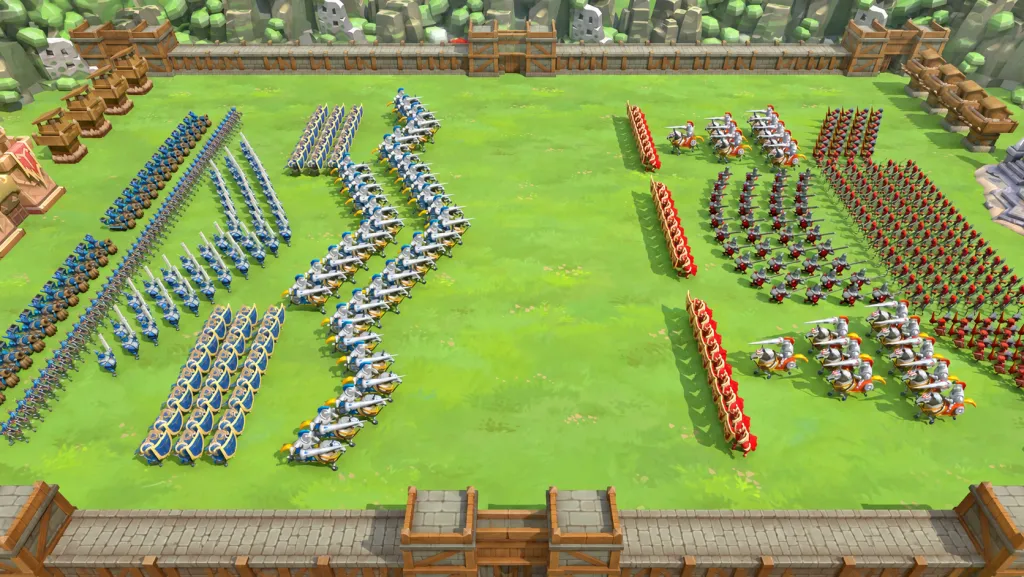
The official Lords Mobile description lists four troop types and six formations. The basic counter cycle is: Infantry counters Ranged, Ranged counters Cavalry, and Cavalry counters Infantry. IGG explains this principle in its Darknest guide.
That cycle does not predict the result of a mixed attack. Troop positioning and advantages must be considered alongside both armies' stats. A formation diagram alone cannot choose your defence. Our hypothetical Darknest without Cavalry shows how to read a composition, but cannot replace assessing a Castle's defence.
Someone else's build is only the beginning
In May 2026, a player asked for feedback on a trap's gear with 17 million troops. The discussion quickly moved beyond individual items to combat stats, army composition and the strength of potential attackers.
Advice to train a certain troop count and equip a particular set skips the central question: who is attacking, and with which boosts? Another player's build becomes a useful example only after comparing those conditions with yours.
A useful analysis includes both sides' starting details and a complete battle report. A victory screen alone makes it easy to copy visible details while missing the reason for the result.
Surviving a hit does not establish a good trade
In the June thread 760m Trap Action, one participant immediately asked about losses. The author replied that they had a large speed-up stock and recovered in about five hours. This describes one player's case, not a standard recovery time for every trap.
Before fighting, estimate recovery resources and speed-ups, the army remaining afterwards and readiness for the next hit. The battle result and the cost of returning to action are separate parts of assessing a trap. Our recovery after being zeroed guide explains accounting for Infirmaries, the Sanctuary and new training.
To explore compositions without troop losses, Lords Mobile also has Army Colosseum. Its seasonal restrictions allow experimentation, but it does not test a real Castle's defence.
The frustrating failure: nobody attacks
In another June 2026 discussion, players compared the enjoyment of trapping with leading rallies. One participant complained of receiving only six rallies in half a year. This is personal experience, not game-wide statistics, but illustrates the role's other side.
You can invest in defence and spend much of your time waiting. If opponents recognize the preparation or avoid the target, the Castle does not receive the desired fights. A bolder attacker is not necessarily a suitable one either: their force may exceed what the defence can handle.
Assess a trap's appeal in its own surroundings: who is nearby, which targets they choose and which armies they can assemble. One Might number cannot describe that.
Four questions before a risky fight
Which hit are you preparing to receive? An individual attack and a guild rally are different threats. Identify the expected opponent and known conditions, rather than planning for just anyone.
What supports your confidence in the defence? A full report with understandable conditions is more useful than someone else's victory screenshot without compositions or stats.
What will pay for recovery? Setting an acceptable loss limit in advance helps prevent one successful fight from creating an urgent need to rescue the whole build.
What happens after the first hit? Consider the remaining army, another possible attack and your own ability to keep monitoring events.
A rally trap influences the choice of battle before the armies meet. It needs to interest an opponent and survive their attack, with room for what follows.