
Won the fight, lost Water War: why delivering water matters
Can six deliveries and zero kills be a useful match? Learn when to carry water, cover a teammate and let a nearly defeated opponent escape in Doomsday's Water War.
Published · Updated
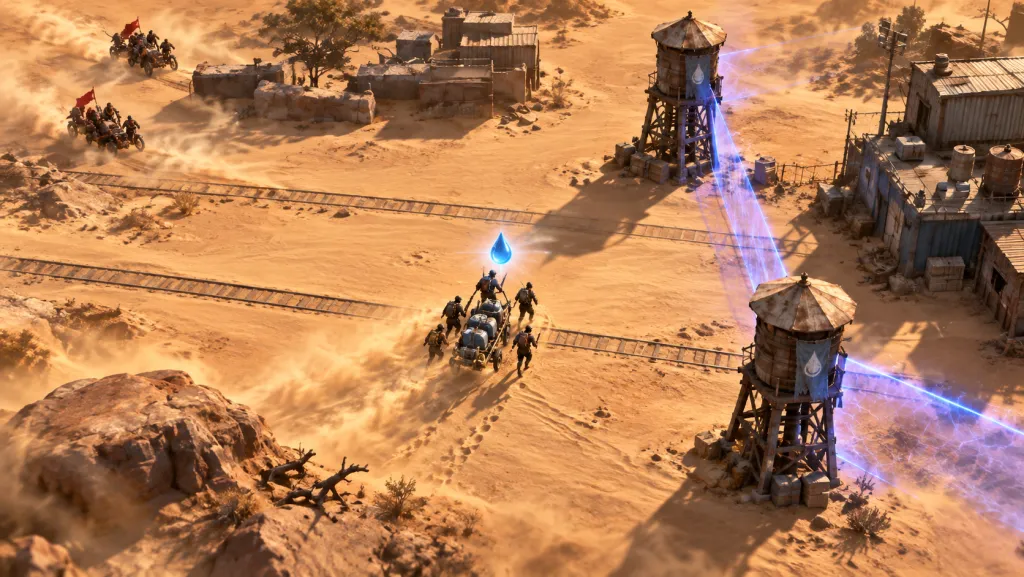
Picking up water is only part of Water War: you must deliver it to your base. A duel you win can therefore be a poor decision. While you finish an opponent, the cargo stays on the field and the route home may close. Before attacking, ask: does this fight help deliver the water, or delay it?
Players recognize the problem. A 14 April 2025 discussion complains about teammates collecting water and then entering a crowd of enemies instead of returning. It also debates another habit: several players pursuing one load while other useful tasks are available nearby.
Zero kills does not mean a bad match
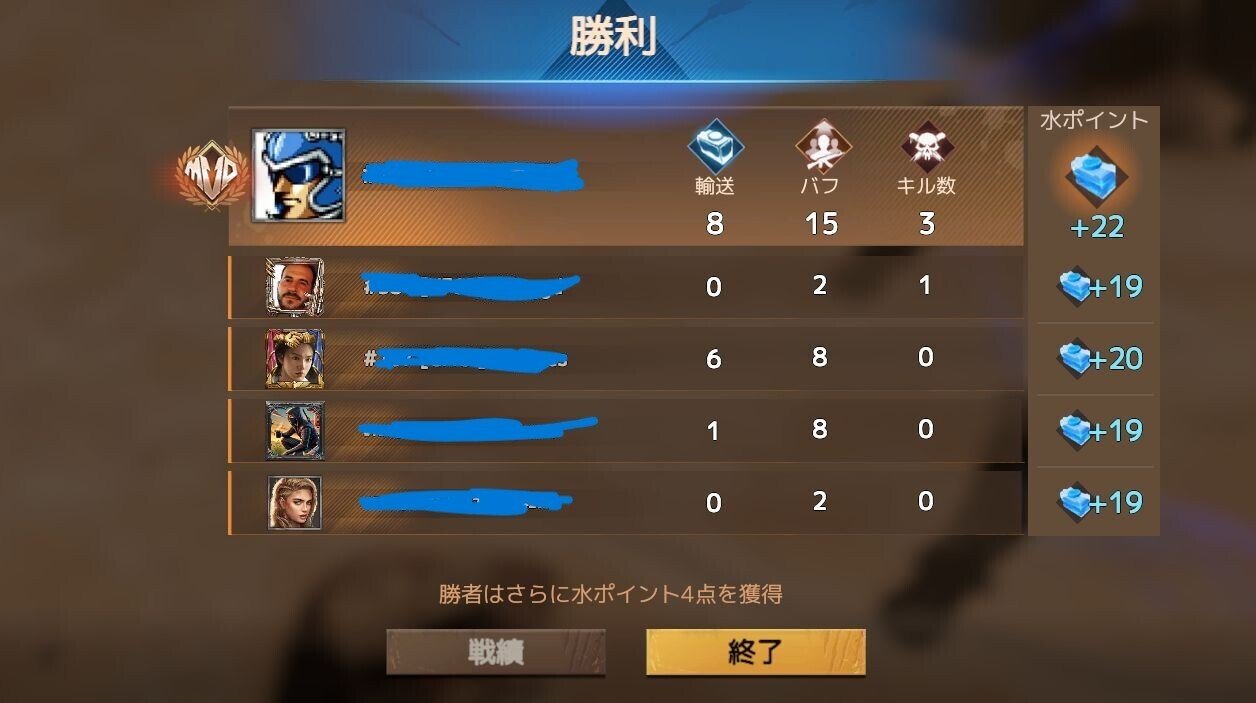
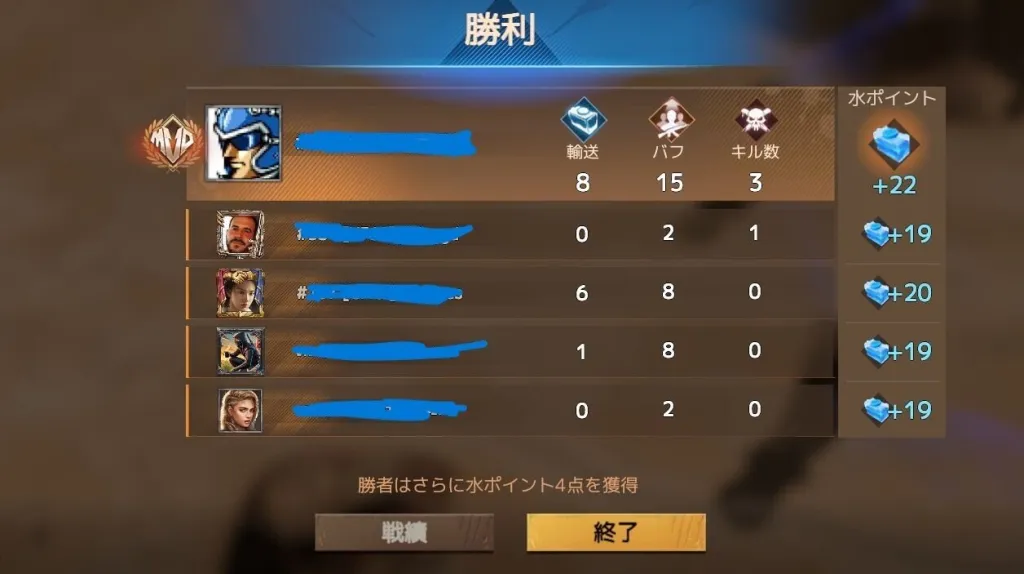
Look at the table below. Its third row records 6 deliveries and 0 kills. A neighboring row has 0 deliveries and 1 kill. The Japanese headings separate deliveries, buffs and kills, with water points shown separately on the right. The structure already explains why one combat column cannot measure the whole contribution.
This is an actual winning match from a 2025 note.com analysis by ‘Nameless author’. One image cannot reveal all the team's work: a player without deliveries may have covered others. Nor can it reconstruct the current reward formula. It does show something specific: deliveries and kills are recorded separately. Open the full-size table to read the numbers.
After picking up water, reconsider your next move
The same analysis describes movement and combat penalties while carrying water, depending on the quantity. Reddit players also report that loaded squads slow down. Check the exact thresholds and percentages in your match's tooltip: an old guide cannot replace the current effect description.
The practical response is simple: reassess your route after pickup. How far is the base? Is an enemy between you and the delivery point? Which teammates are nearby? A reasonable move for an unloaded squad may be too risky for a carrier.
If the route is open, return. If it is blocked, look for another route or support. A nearly defeated opponent off to the side is not automatically a reason to detour. Imagine the full outcome: can you finish the attack and still escape with the water before their teammates arrive? If the answer rests on ‘probably’, a safe delivery looks more convincing.
Three roles you can change during the match
Carrier, escort and interceptor are convenient task labels, rather than official classes in this mode. Players need not keep one role permanently. Picking up water changes your priority; after delivering, you can help wherever you are most useful.
The carrier watches the route to base. Spotting a dangerous passage in advance is better than finding an enemy in the middle of a fight. Where possible, choose a route teammates can support. A shortcut through a stronger opponent may take longer than a detour.
The escort watches threats to the carrier. Good cover has done its job when the teammate can leave safely. A long chase after a retreating enemy may leave the cargo unprotected again. You do not have to finish everyone: distracting a pursuer can be enough.
The interceptor chooses a water-carrying opponent they can realistically reach. A successful attack is only half the job: the cargo still needs collecting and extracting. If you win while surrounded by enemies, the interception may simply hand the water back to the other side.
If a teammate is already collecting safe cargo, assess another location or cover their exit. Do not insist that water is ‘yours’ at any cost: circumstances change, and another nearby player may have a better chance of delivering it. The next route matters more than a queue for the item.
Final minutes: check the score before choosing a target
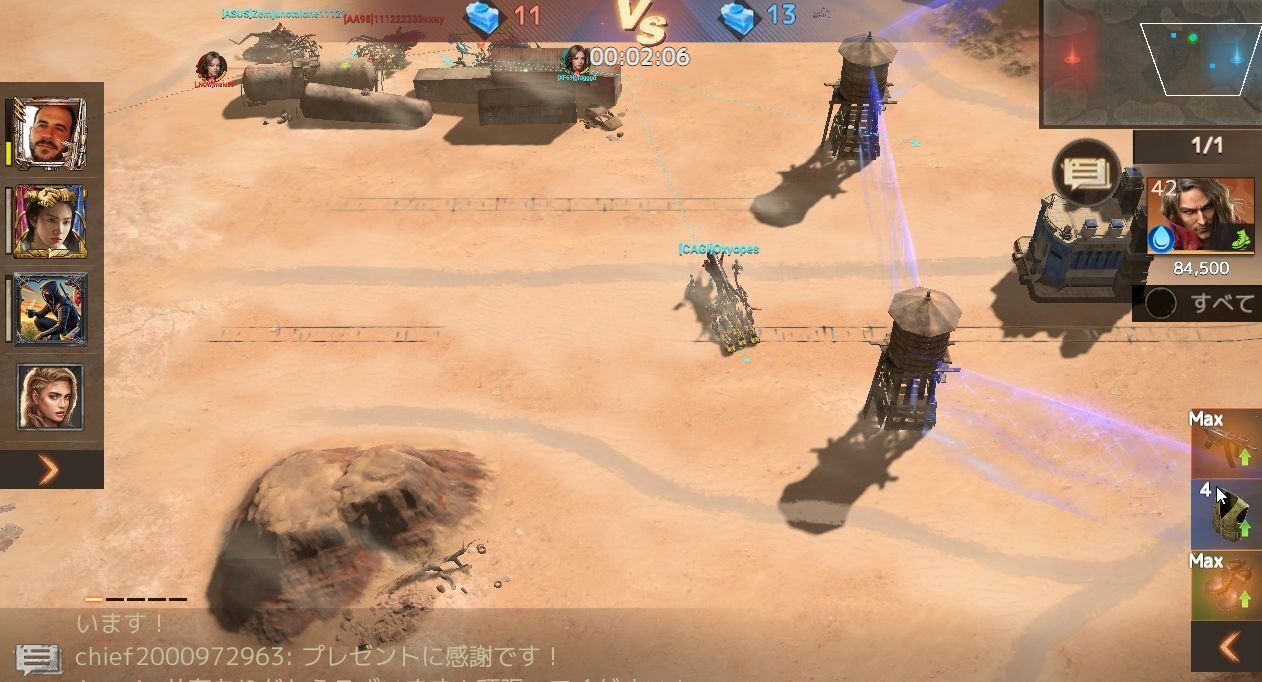
The next frame shows a score of 11:13 and 02:06 remaining. That image alone cannot establish that the match is lost. You also need to know how much water players are carrying and what remains on the map. The figures at the top begin the assessment rather than complete it. Open the full-size frame.
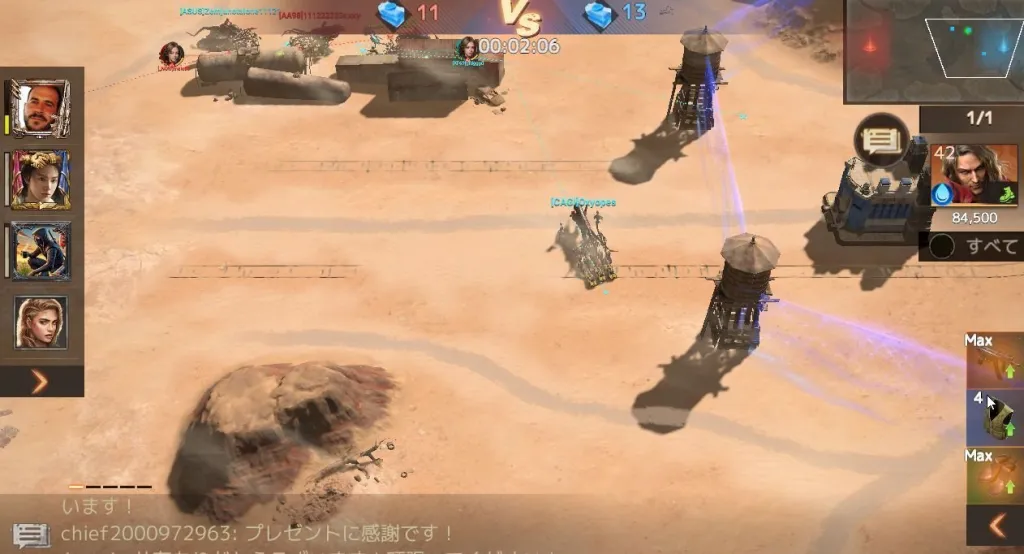
Before the next push, check four things: the score gap, allied water, enemy water and the time required to deliver it. Counting only the next boss drop is insufficient. Cargo already collected can also change the situation, if it reaches base in time.
When ahead, assess the threat of the nearest enemy delivery. When behind, find an action that can actually reduce the gap: loose water, support for your carrier or an achievable interception. Fighting an empty squad far from delivery routes usually does little for that goal.
Do not confuse a tie with a win. In a hypothetical 11:13 situation, two more credited points produce 13:13 if the opponent adds nothing. Check the mode's rules for tied scores. Players debate surrender partly because they assess different things: the scoreboard, personal points or a remaining interception opportunity.
What to check next match
Start with one habit: plan the return route immediately after every pickup. Then identify what prevented delivery — slow movement, a dangerous route, a late retreat or missing support. This is more useful than changing heroes after every setback without reviewing the incident. If you still decide to redistribute hero development, make a Heroic Legacy swap plan first: the event's opportunities are limited.
Good decisions do not guarantee an evenly matched battle. In a 15 September 2026 thread, a player reports a 17:1 score and powerful opponents. That is one account, rather than matchmaking statistics. Commenters' advice to unequip Armament for easier matches also does not establish how matchmaking works.
After playing, ask how many times water reached base, how often it was lost and which losses a map decision could have prevented. Your best Water War moment may end without a kill — and with the water safely delivered.
Frequently asked questions
Should you always avoid combat while carrying water?
How do you decide whether to surrender in Water War?
Sources
- ‘Nameless author’ / note — Water War analysis and original game frames, 2025
- Reddit — teammates competing for water and fighting while carrying it, 14 April 2025
- Reddit — surrender debate and a player's base interception account, 20 April 2026
- Reddit — Water War match experiences and player complaints, 15 September 2026